WHAT I TEACH / KANSA WAND MASSAGEKansa Wand Massage: 5,000 Years of Ayurvedic Bronze Healing
Not a trend. An ancient tool with a real tradition, a real mechanism, and results your clients will notice.
The kansa wand is having a moment. You've probably seen it in professional supply catalogs, in skincare brand campaigns, on esthetician Instagram feeds. And that visibility is — mostly — a good thing. Kansa deserves attention.
But most of what is currently being taught about the kansa wand is technique without tradition: memorized stroke patterns, no framework for why, no grounding in the Ayurvedic medicine system from which this tool comes. That approach produces inconsistent results and does a disservice to something that is genuinely extraordinary.
I teach kansa differently. The technique matters. The tradition matters more.
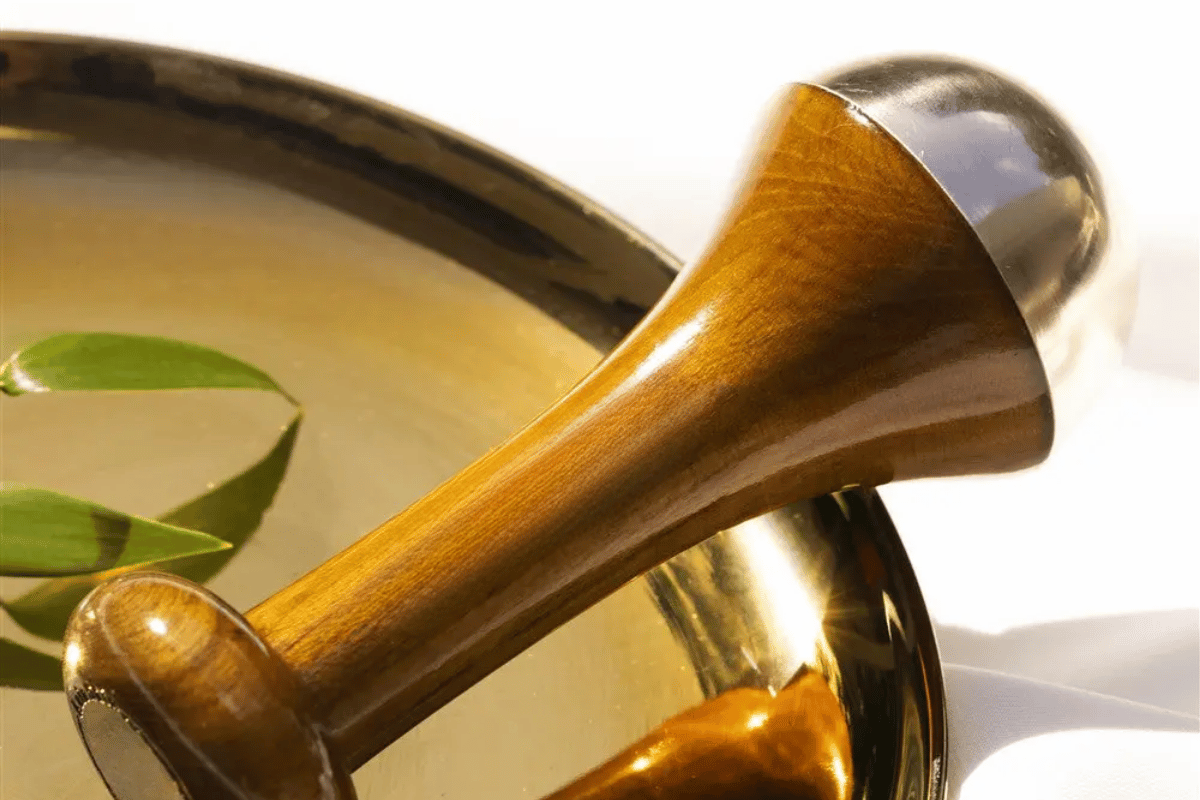
What Is Kansa?
Kansa is a sacred metal alloy used in Ayurvedic medicine for over 5,000 years. It is a blend of copper, tin, and zinc, and it has a documented history of use in India as both a healing and a spiritual material. Kansa vessels were used for food, for water, for medicine — and for therapeutic touch.
In the Ayurvedic tradition, kansa is considered tridoshic — meaning it is balancing for all three doshas — and it is believed to draw excess heat (pitta) from the body through contact with the skin. Modern analysis has confirmed that kansa has a slightly alkaline pH, which interacts with the skin's acid mantle in ways that promote balance and reduce the bioavailability of certain inflammatory compounds. This is not metaphor. This is a verifiable effect of the metal itself.
The kansa wand — a rounded dome of kansa metal on a wooden handle — is designed specifically for facial and body massage. It glides, rotates, and draws heat in a way that no other tool replicates.
How Kansa Works on Skin
The mechanism of kansa wand massage is multifaceted. The rotation of the dome against the skin creates friction heat that vasodilates surface capillaries, improving circulation and bringing nutrients to the tissue. The alkaline contact of the metal modulates the pH environment at the skin surface. The pressure and direction of the strokes engage the fascia and the lymphatic system.
When the metal changes color during treatment — a grayish cast that appears on the skin or the wand — this is a physical indicator of what Ayurveda describes as excess pitta being drawn from the tissue. It is not a sign of product interaction or a problem; it is a sign the treatment is working. Learning to recognize and explain this response to clients is part of mastering the tool.
The effects clients typically report: significant reduction in facial tension, a sense of deep relaxation that is qualitatively different from other massage, visible improvement in skin tone and color, and a feeling of having been 'reset.' Regular kansa treatment is associated with improved sleep, reduced headaches, and a general sense of calm that extends beyond the treatment session.
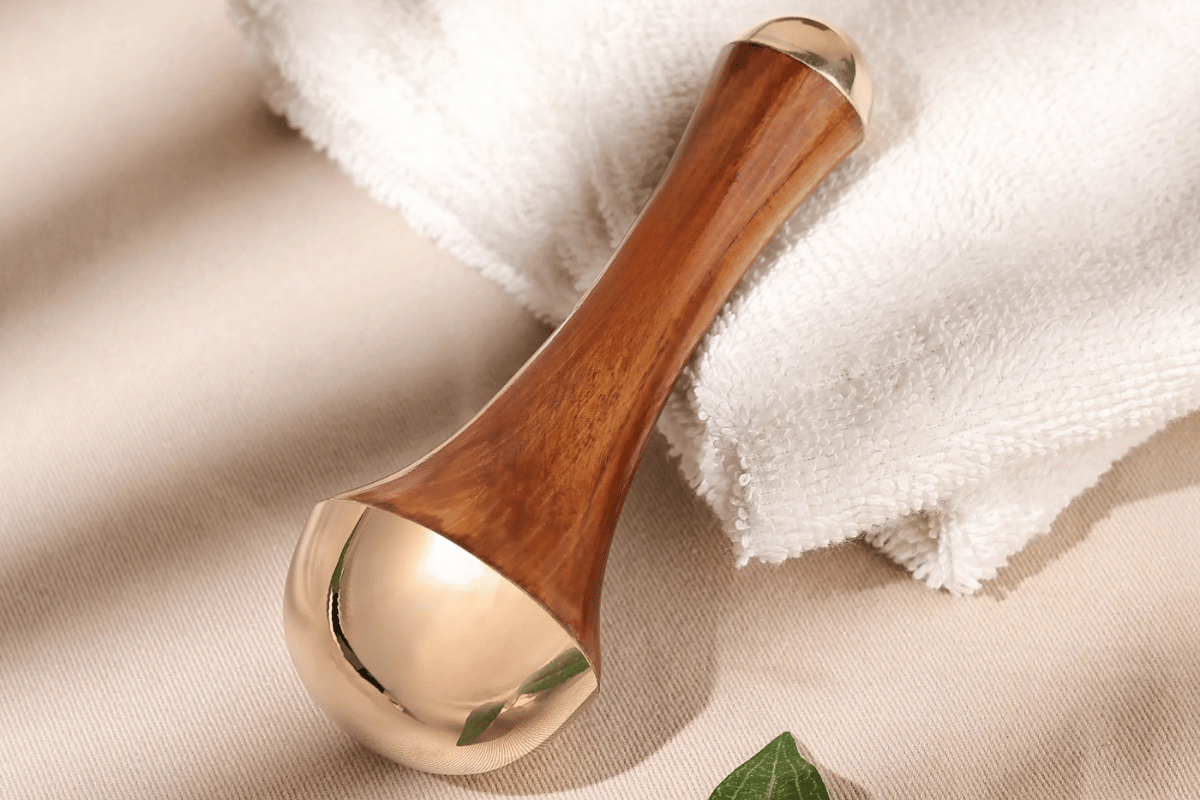
Facial vs. Body Kansa Work
The kansa wand is used differently for facial work and body work, and the Tending Practice curriculum addresses both. For facial work, the wand is used with light pressure in a series of strokes that follow lymphatic pathways and engage marma points, often in coordination with facial oil. For body work — particularly the feet, which are considered a major site of pitta accumulation in Ayurveda — the wand is used with more sustained pressure and with Ayurvedic medicated ghee or oil.
Pada abhyanga (Ayurvedic foot massage with kansa) is one of the most deeply relaxing treatments in the Ayurvedic repertoire, and one of the most underutilized by Western estheticians. I teach it with the same rigor as facial kansa work.
The Tradition Behind the Tool
The kansa wand comes from the artisan traditions of Odisha, a state in eastern India. The kansaris — metal craftsmen — have been making kansa vessels and tools in family workshops for generations. When you use a kansa wand, you are using something made by hand, from a tradition older than most of what we call ancient.
I believe that knowing this matters. It changes the quality of presence you bring to the work. And clients can feel the difference between a practitioner who is performing a technique and one who understands what they're holding.
What You'll Learn
History, metallurgy, and Ayurvedic philosophy of kansa as a healing material
The mechanism of kansa's effects on skin, circulation, pH, and the lymphatic system
Facial kansa wand sequences: stroke patterns, pressure, direction, and marma integration
Pada abhyanga: Ayurvedic foot massage with kansa wand technique
Understanding the 'color change' response and how to communicate it to clients
Oil and product selection for kansa treatments
How to position kansa work within your service menu and client education
Ready to Go Deeper?
→ Explore upcoming workshops and courses (tendingpractice.com/workshops)
→ See all modalities in the Tending Practice curriculum (tendingpractice.com/what-i-teach)
Frequently Asked Questions
What is kansa metal made of?
Kansa is an alloy of copper, tin, and zinc — a specific formulation that has been used in Ayurvedic medicine for thousands of years. The ratio of metals is significant to its therapeutic properties; not all 'bronze' alloys have the same effect.
Why does the skin sometimes turn gray during kansa treatment?
The gray color is the result of a mild electrochemical reaction between the kansa metal and compounds in the skin's acid mantle. In Ayurvedic medicine, this is understood as the drawing of excess pitta (heat) from the tissue. It is temporary, harmless, and generally a sign of an effective treatment. It washes off easily with water.
Is kansa appropriate for all skin types?
Kansa is considered tridoshic — balancing for all three Ayurvedic doshas — and is generally appropriate for all skin types. There are contraindications, including active acne, broken skin, and certain inflammatory conditions. The curriculum covers safe application and client screening.
Do I need to use specific oils with the kansa wand?
A carrier oil or facial oil is necessary to allow the wand to glide without friction. The choice of oil should reflect your client's dosha and skin condition. The curriculum covers oil selection in the context of kansa treatment.
How is this different from gua sha?
Kansa and gua sha are both Ayurvedic or traditional Asian tools used in facial treatment, but they work quite differently. Gua sha uses firm, directional strokes to release myofascial restriction. Kansa uses rotation and lighter pressure to engage the lymphatic system, modulate pH, and draw heat. They are complementary rather than interchangeable.