WHAT I TEACH / AYURVEDIC FACIALSAyurvedic Facials: Treating the Face as a Map of the Whole Body
Where Ayurvedic philosophy meets modern esthetic practice.
Most estheticians learn to treat what they can see: congestion, dryness, redness, and lines. Ayurvedic facial work asks a different question — why is the skin expressing what it's expressing? And what does the face tell us about the health of the whole person?
This is the framework that changed everything in my practice. Once you understand the face through an Ayurvedic lens, you stop chasing symptoms and start addressing patterns. Clients don't just leave with glowing skin — they leave understanding their own constitution, their tendencies, and what their skin has been trying to tell them for years.
What Is an Ayurvedic Facial?
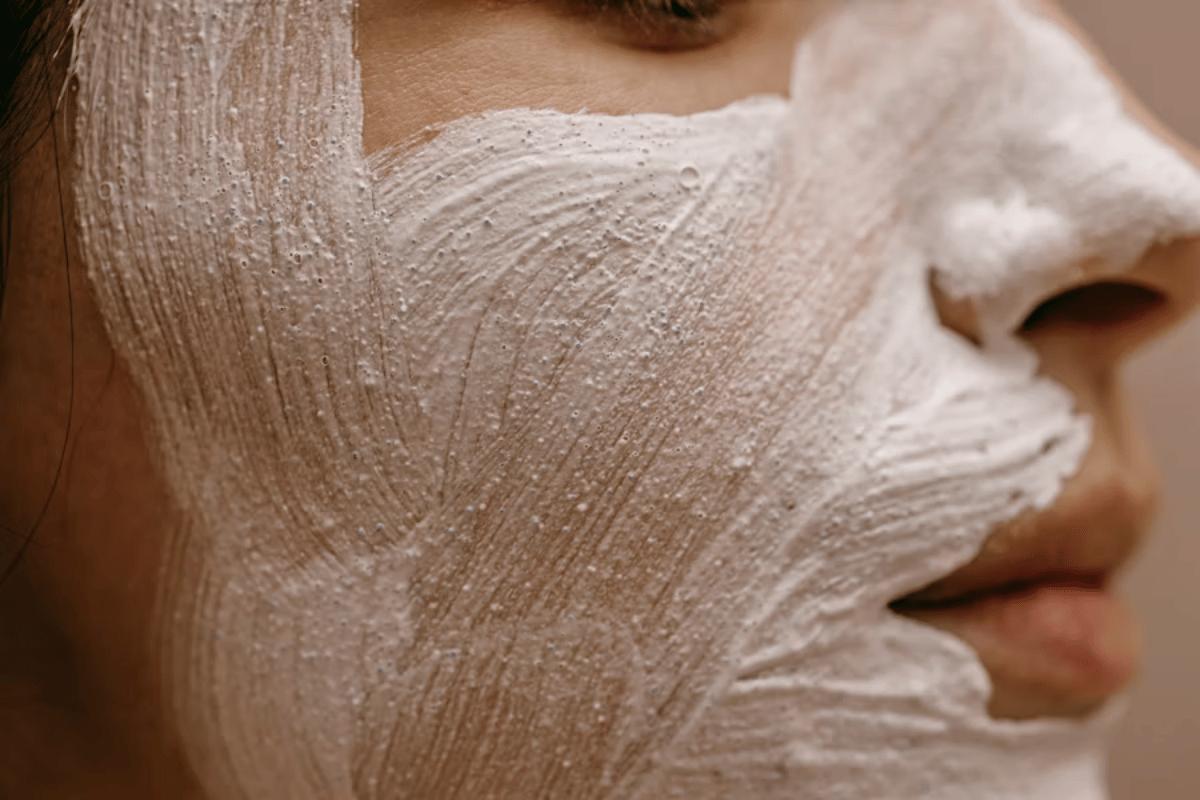
An Ayurvedic facial is a therapeutic skin treatment rooted in the 5,000-year-old system of Ayurvedic medicine. Unlike conventional facials that follow a standard protocol, Ayurvedic facials are individualized at every step — from the oils selected, to the massage techniques used, to the intentions held throughout.
The treatment begins with a dosha assessment: an inquiry into the client's Prakriti (constitutional nature) and Vikriti (current state of imbalance). From there, every product and technique is chosen to bring the client back toward balance — not toward an aesthetic ideal, but toward their own optimal state.
In Ayurveda, the face is considered a mirror of the whole body. The forehead reflects the nervous system and elimination. The cheeks correspond to the lungs and liver. The chin connects to the reproductive and hormonal systems. Knowing this doesn't just make you a better facial practitioner — it makes you a more holistic one.
The Three Doshas and How They Show Up on Skin
Vata Skin
Vata skin tends toward dryness, fine lines, dehydration, and a lack of luster. Clients with Vata imbalance often have reactive skin that changes with the seasons and responds strongly to stress. They benefit from deeply nourishing, grounding oils — sesame, ashwagandha, and warming herbals — and slow, rhythmic massage that calms the nervous system.
Pitta Skin
Pitta skin is sensitive, prone to redness, inflammation, rosacea, and breakouts that appear with heat or stress. Pitta types need cooling, anti-inflammatory support — rose, sandalwood, neem, coconut. Treatments must be gentle; overstimulation aggravates. The pace is steady, the touch is intentional.
Kapha Skin
Kapha skin is oilier, thicker, and more prone to congestion, enlarged pores, and sluggishness. Kapha imbalance responds well to stimulating, detoxifying approaches — dry brushing, ubtan (herbal powder) treatments, and invigorating massage with lighter oils like sunflower or safflower.
Why I Teach This
I've been studying Ayurveda formally since 2021 and hold my Ayurvedic Health Counselor certification, including Panchakarma training. But the deeper truth is that Ayurveda found me before any certification program did — it was the first framework that made the skin make sense to me as a whole-body organ, not just a surface to manage.
When I teach Ayurvedic facials, I'm not teaching a menu of techniques. I'm teaching a way of seeing. I want you to be able to walk into a treatment room, look at your client's face, and understand what's happening beneath it — and know how to respond with skill and reverence.
This is one of the foundational pillars of the Tending Practice curriculum, and it informs everything else I teach — from marma point work to botanical formulation to how we hold space.
What You'll Learn
In the Ayurvedic Facials module within the Tending Practice curriculum, you'll develop:
A working knowledge of the three doshas and how they manifest in skin physiology
Intake and assessment skills for identifying Prakriti and Vikriti in your clients
Oil selection principles for Vata, Pitta, and Kapha presentations
Ayurvedic facial massage sequences that support lymphatic flow, marma activation, and nervous system regulation
An understanding of dinacharya (daily routine) as part of the treatment conversation
How to document, communicate, and build client loyalty through the Ayurvedic lens
Who This Is For
This teaching is for licensed estheticians who have felt the limits of conventional facial protocols and want something deeper. You don't need an Ayurveda background — I'll teach you what you need to know. You do need to be genuinely curious about skin as a whole-body phenomenon and willing to slow down, look more carefully, and ask better questions.
Ready to Go Deeper?
→ Explore upcoming workshops and courses
→ See all modalities in the Tending Practice curriculum
Frequently Asked Questions
Do I need Ayurveda training to take this course?
No prior Ayurveda knowledge is required. The Tending Practice curriculum teaches Ayurvedic principles as they apply directly to facial work and skin physiology. You'll learn the framework you need as part of the course.
Is this a CE-approved continuing education course?
Tending Practice courses are designed to fulfill continuing education requirements for licensed estheticians. Check the individual course listing or reach out for details on CE approval in your state.
How is an Ayurvedic facial different from a regular facial?
The fundamental difference is individualization. A standard facial follows a protocol. An Ayurvedic facial follows the person. Every choice — the oil, the technique, the pace, the pressure — is determined by the client's constitutional type and current state of balance, not a menu.
Can I incorporate Ayurvedic principles into my existing facial menu without completely overhauling my practice?
Absolutely. One of the goals of this training is to give you a framework you can layer into your existing work. You don't have to rebrand to holistic to benefit from an Ayurvedic lens. It enhances whatever you're already doing.
What products do I need to perform Ayurvedic facials?
The core requirement is a selection of Ayurvedic-aligned oils and an understanding of why you're choosing them. The curriculum covers both DIY formulation approaches and sourcing guidance for working with established lines.