WHAT I TEACH / MARMA POINT THERAPyMarma Point Therapy: 3,000 Years of Ayurvedic Medicine in the Treatment Room
Not a technique. A tradition — taught with the reverence it deserves.
There are 107 marma points in the Ayurvedic body. Thirty-seven of them live on the face and head. They are the intersections of prana — life force — where the physical body and the subtle body meet. And they have been mapped, studied, and worked with for over 3,000 years.
When I teach marma point therapy to estheticians, I start with that history. Not because it's interesting trivia (though it is), but because working with these points without understanding their lineage is like using a tool you've never been taught to hold. The results are unreliable. The depth is missing. And something essential is lost.
Marma work changes facials. Not incrementally — fundamentally. When your clients begin to experience the nervous system shift that comes from skilled marma stimulation, they will not want to go back to a facial that doesn't include it.
What Are Marma Points?
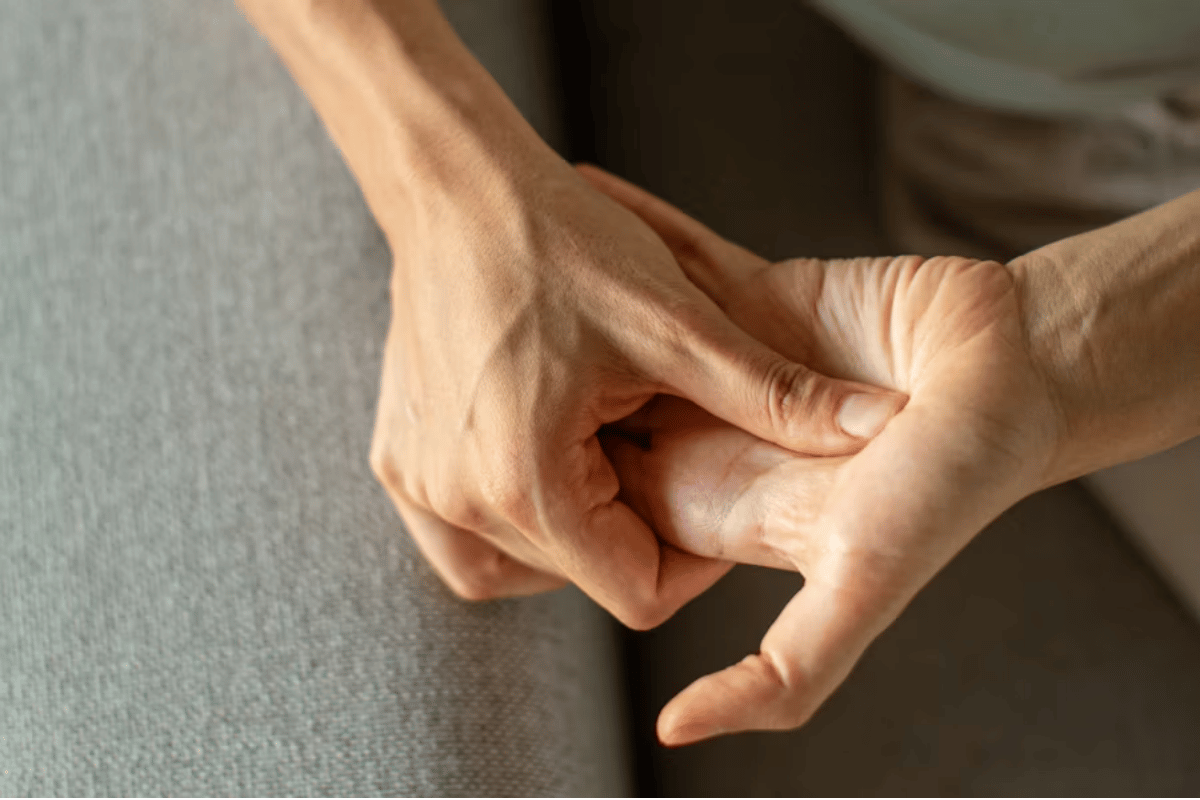
In Sanskrit, 'marma' means 'vulnerable' or 'secret.' Marma points are anatomical sites where muscles, veins, ligaments, bones, and joints intersect — and where prana (vital force) concentrates and flows. They are considered the seats of life in Ayurvedic medicine.
The 107 classical marma points were first systematically described in the Sushruta Samhita, one of the foundational texts of Ayurvedic surgery, written around 600 BCE. Surgeons were taught their locations as a warning — these are the places not to cut. Over centuries, practitioners discovered that these same points could be worked with therapeutically: through touch, pressure, herbal application, and intention.
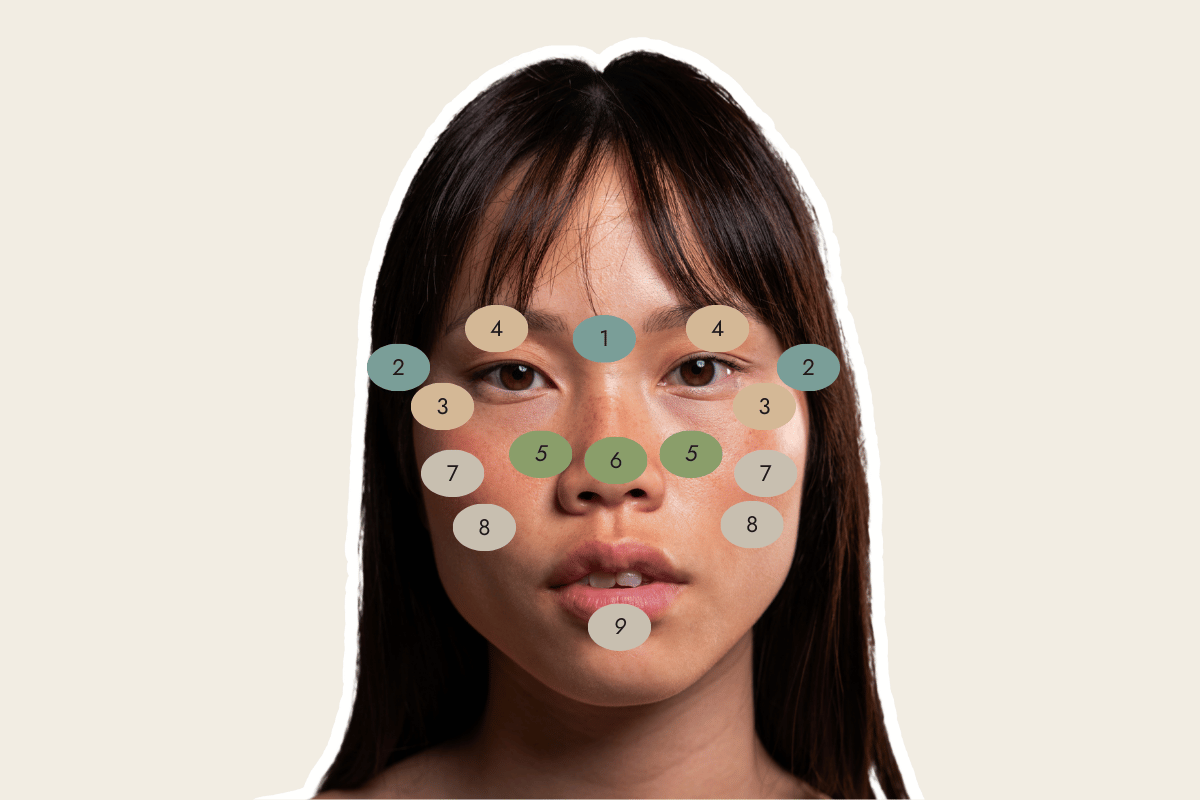
On the face and head, the 37 marma points correspond to the sensory organs, the brain, the nervous system, the lymphatic channels, and several of the body's major physiological systems. Stimulating them correctly creates effects that extend well beyond the face — clients report shifts in sleep, digestion, anxiety, and mood after receiving skilled marma work.
Marma Points and the Modern Esthetic Treatment
The integration of marma point therapy into a facial treatment requires precision and presence. It is not a sequence to be rushed through — it is a conversation between your hands and your client's nervous system. The points respond to the quality of touch as much as the location.
In practice, I teach marma work in three ways: as a standalone facial sequence, as an integration layer woven into an existing massage protocol, and as a closing ritual that anchors the treatment and supports nervous system regulation before the client leaves the table.
The effects are cumulative. Clients who receive regular marma work report improved skin tone, reduced chronic tension in the face and jaw, clearer sinuses, and a quality of ease in their face that is different from what massage alone produces.
The 37 Facial and Head Marma Points
The face and head marma points are organized by their associated body systems and physiological functions. In the curriculum, I teach them in anatomical groupings that align with how you'll encounter them in a facial treatment — by zone, by function, and by the conditions they address.
Key points include: Sthapani (third eye — the point that anchors almost every marma sequence), Phana (lateral to the nostrils — supports lymphatic clearing and sinus health), Apanga (outer corners of the eyes — connected to the liver and vision), Vidhura (behind the ears — pivotal for the nervous system), and Shanka (temples — where tension, grief, and mental overwork accumulate).
The curriculum maps all 37 points: their Sanskrit names, their anatomical locations, their corresponding body systems, their indications and contraindications, and the quality of touch and pressure appropriate for each.
Why This Is Part of the Tending Practice Curriculum
Marma therapy is the bridge between esthetic practice and Ayurvedic medicine. It's what allows a facial to become a genuine therapeutic experience — not just for the skin, but for the whole nervous system.
I learned marma work as part of my Ayurvedic Health Counselor training and have been deepening my practice with it ever since. What I've found is that the estheticians who take this training seriously become practitioners their clients can't live without. Not because they learned a trendy add-on — but because they learned to touch with understanding.
What You'll Learn
The history, philosophy, and foundational texts of Ayurvedic marma therapy
Location, function, and indication for all 37 facial and head marma points
Appropriate pressure, direction, and duration for therapeutic marma stimulation
How to structure a standalone marma facial and how to integrate marma into existing protocols
Contraindications and safety considerations
Documentation practices and how to educate clients about the work
Ready to Go Deeper?
→ Explore upcoming workshops and courses (tendingpractice.com/workshops)
→ See all modalities in the Tending Practice curriculum (tendingpractice.com/what-i-teach)
Frequently Asked Questions
Is marma point therapy within an esthetician's scope of practice?
Marma therapy as taught in the Tending Practice curriculum is applied through manual touch in the context of a facial treatment. It does not involve diagnosis or medical treatment. As with all modalities, you are responsible for understanding your state scope of practice. I provide guidance on how to communicate this work to clients and regulatory bodies.
Do I need to know Ayurveda before taking the marma point module?
The marma point curriculum is taught as part of a broader Ayurvedic facial framework, but I provide the Ayurvedic context you need within the training. Prior Ayurveda study is helpful but not required.
What does 'working a marma point' actually mean in a facial?
In the context of a facial treatment, marma stimulation is applied through precise, sustained finger pressure — sometimes with rotation, sometimes with stillness. The quality of touch matters as much as the location. I teach both the mechanical and the energetic dimensions of this.
How long does it take to learn marma point therapy?
You can learn the fundamental points and a basic sequence in a focused workshop. Deepening your work with marma — developing the sensitivity and presence it requires — is a longer, ongoing practice. The curriculum is designed to give you solid foundations and a path to go deeper.
Will my clients feel the difference?
Almost universally, yes. Clients regularly report that marma work produces a quality of stillness and integration they haven't experienced with other facial techniques. Many describe it as the thing that keeps them coming back.